
Nafaskāri
Reviving craft through climate-resilient microbial dyes.
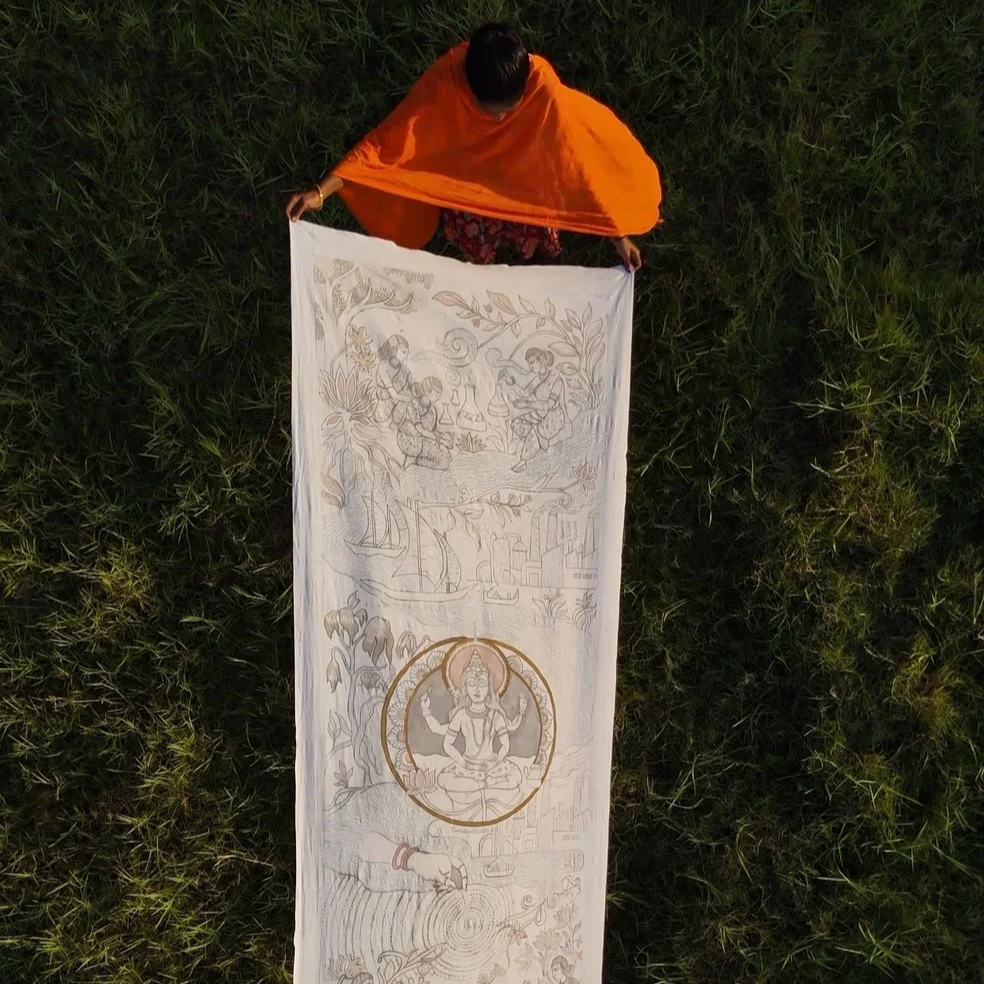
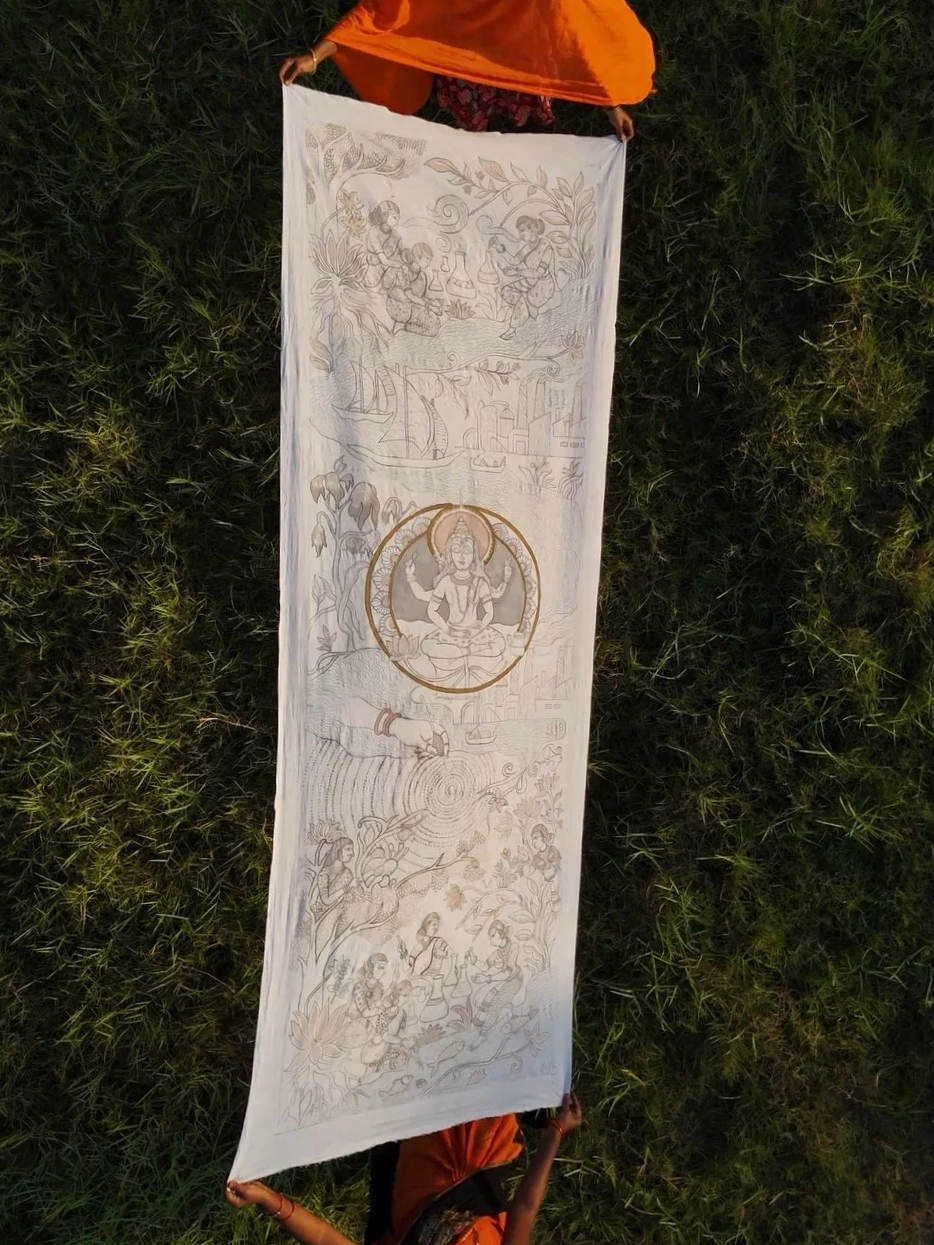
Rooted in the ancient textile art of Kalamkāri, this work traces its evolution from botanical, hand-drawn storytelling to its colonial transformation into chintz, the first “mass fashion” and a symbol of extraction from the Global South.
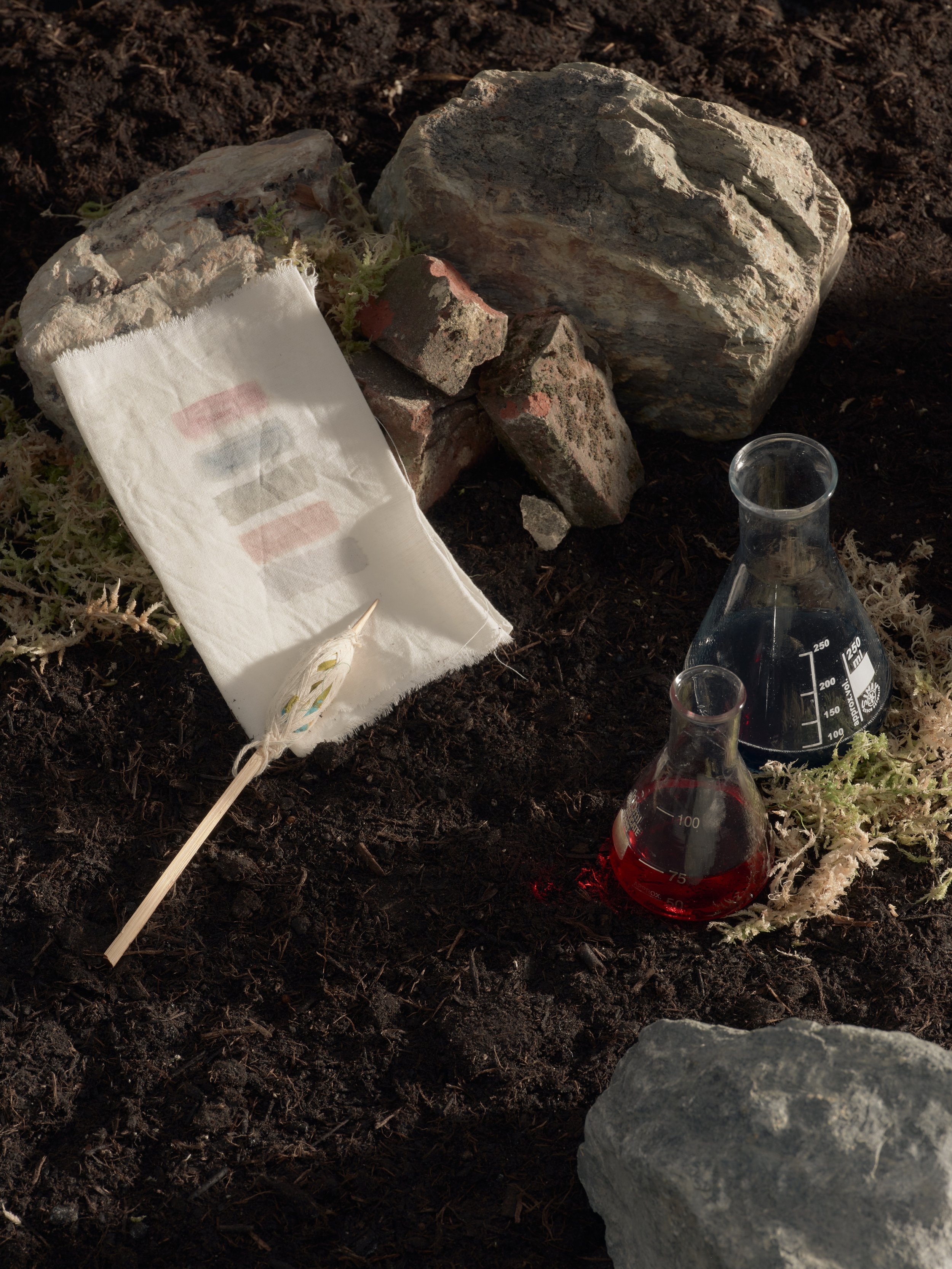
In Srikalahasti, India, where extreme climate conditions and industrialisation threaten the craft’s survival, Nafaskāri reimagines Kalamkāri’s future through bacterial dyes cultivated from local soils. These living pigments offer a climate-resilient alternative that restores ecological intimacy and honours indigenous knowledge.
Meaning “breath work,” Nafaskāri invites fashion to slow down: to breathe, repair, and return. It calls for a fashion system grounded in interspecies and intergenerational justice, where nature and marginalised communities shape the future of material innovation.
Vibhuti Amin
vibhuti.amin@gmail.com