

Climafibre
How utilising sunflowers for the fashion industry could provide multi-value streams that support regenerative food systems, protect biodiversity and aid climate mitigation
What is fashion’s place in a world that is rapidly running out of natural resources?
The fashion industry’s disastrous environmental impact is no secret. Unsustainable agricultural systems and contamination from synthetic fibres, dyes and finishes continuously pollute ecosystems and decimate biodiversity throughout the value chain whilst simultaneously perpetuating socio-economic injustices. Consumerism has fuelled the desire for fast fashion, which is reliant on overconsumption of finite resources and intensive farming practices. Increasing amounts of fertilisers and pesticides are needed to meet these demands, degrading the soil which inhibits regeneration, resulting in a loss of arable land. For fashion to have a future, there needs to be an imminent shift to regenerative practices that protect biodiversity and support agricultural food systems.
Sunflowers could provide a solution. Sunflowers are utilised as a part of regenerative agricultural systems and aid climate mitigation through soil remediation and boosting biodiversity. Cultivated globally, sunflowers can be grown without fertilisers and can be companioned and rotated with other food crops. Their extensive roots establish a symbiotic relationship with beneficial microbes, bacteria and fungi that promote healthy soils. Sunflowers can withstand drought, and their natural resilience has made them a model for scientists studying climate change adaptation.
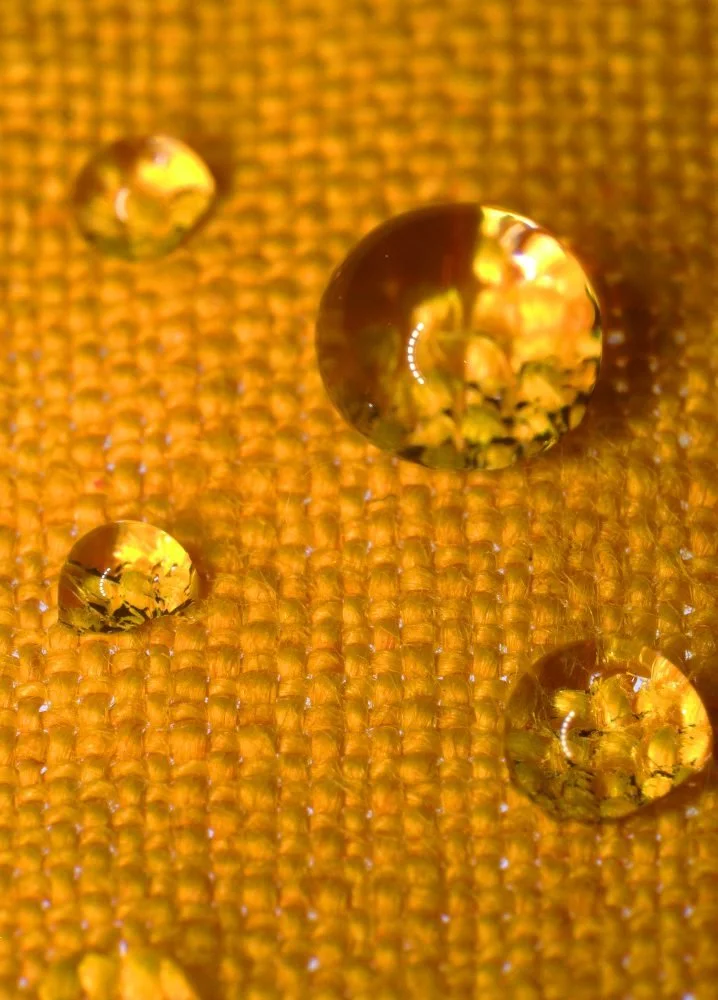
Climafibre proposes how sunflowers could generate multi-value streams from a single regenerative source. Working closely with scientists, Climafibre has utilised the whole sunflower to develop a range of viable alternatives for the fashion industry, from cellulose for textiles to an array of pigments, alternative down and a water-resistant coating. The project envisions a future localised production network within Bioregion PA9* that repurposes brownfield sites within urban areas, aiding climate mitigation whilst generating social equity. This project uses a single source to provide bio-based solutions for multiple problems within the industry.
Jess Redgrave
jessredgrave.com
jess@jessredgrave.com